Processing shame after gambling: what the feeling means and 6 ways to cope
 Save
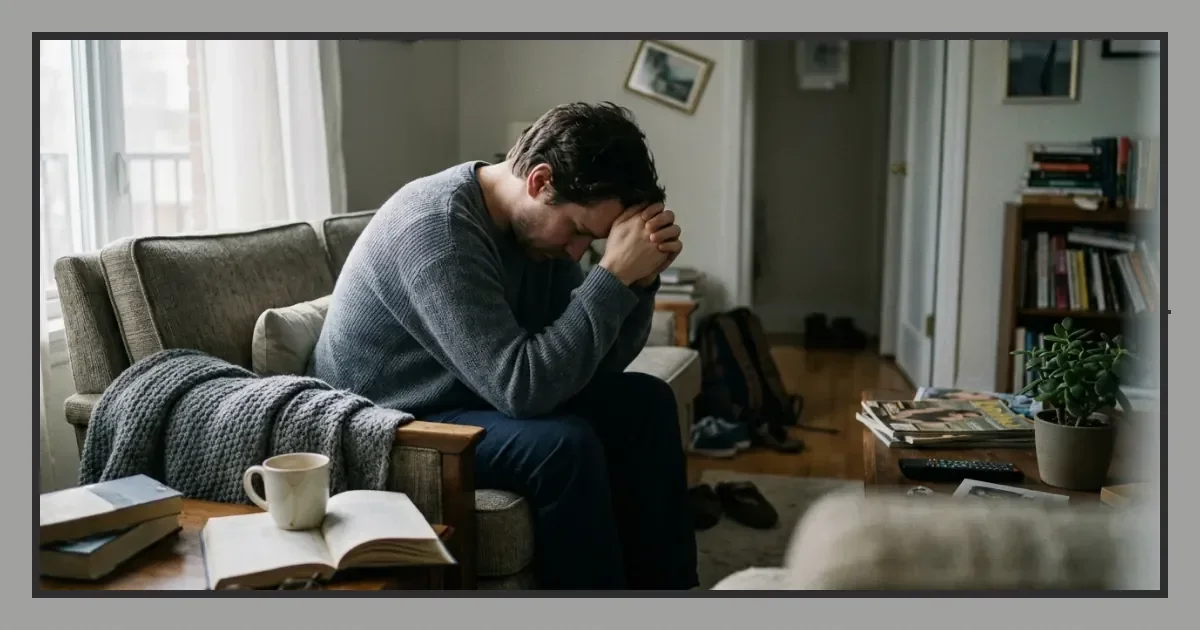
Shame after gambling arrives fast and cuts deep. It tells you that you've failed, that you should have known better, that you're fundamentally broken. I Need Help exists because those feelings, however intense, are a response to harm rather than evidence of who you are. This page explains why shame follows gambling losses, how it differs from guilt, and what you can do today to process the feeling without letting it push you further into secrecy or into another binge.
Why shame follows gambling more than other regrets
Shame after gambling feels different from regret over other mistakes because gambling carries secrecy, financial consequences and a sense of choice all at once. You chose to gamble, the losses are concrete, and the activity itself often happens alone or hidden from the people closest to you. When the session ends, those three elements combine into a single crushing thought: this is my fault, and I should have stopped myself.
The feeling is compounded by the way gambling works. A losing streak creates urgency to win back what's gone, so the decision to keep playing feels less like a free choice and more like the only option. Afterwards, when the urgency lifts, you're left looking at the consequence and blaming yourself for every decision made under that pressure.
Shame also feeds on isolation. Many people who gamble do so without telling anyone, which means there's no one to share the aftermath with and no external perspective to challenge the story shame tells. The secrecy that felt necessary during the session becomes the soil shame grows in once it's over.
Shame versus guilt
Guilt says you did something wrong. Shame says you are something wrong. Guilt focuses on the action and can motivate repair; shame focuses on your identity and usually leads to hiding. After a gambling loss, you might feel both at once, but separating them helps you respond to each more clearly.
Guilt over the money lost, the lie told or the time wasted is uncomfortable but workable. It points to specific behaviour you can address or repair. Shame, by contrast, globalises the mistake: instead of "I made a poor decision under pressure", it whispers "I am weak, dishonest, beyond help". That story keeps you stuck because it offers no pathway to change, only a confirmation that change is pointless.
Recognising when shame has taken over lets you step back from its narrative. The feeling is real, but the conclusion it draws about you is not.
What shame does to your next decision
Shame doesn't sit quietly. It pushes you towards one of two responses, neither of which helps. The first is to hide: you avoid the people you've let down, you stop opening bills, you withdraw from the routines that used to anchor you. The isolation deepens the shame, which makes hiding feel even more necessary.
The second response is to chase relief through another session. Shame creates unbearable discomfort, and gambling briefly offers an escape from that discomfort. Winning feels like redemption; even losing keeps your attention away from the shame itself. Both responses hand control back to the behaviour that caused the feeling in the first place.
Breaking this cycle means sitting with the discomfort long enough to act on guilt rather than shame. That takes time, but it starts with recognising that the urge to gamble again or to hide completely is shame talking, not an accurate assessment of your options.
The role of self-forgiveness
Forgiving yourself doesn't mean pretending the loss didn't matter or that no one was hurt. It means accepting that you made a decision under conditions designed to keep you playing, that the harm is real, and that shame won't undo it. Self-forgiveness is an active process: you acknowledge what happened, you identify what needs repair, and you commit to a different approach without requiring yourself to feel fine about it first.
Many people wait to forgive themselves until they've "earned" it by proving they've changed. Shame keeps that bar out of reach. Forgiveness is the permission to start changing, not the reward for having already changed.
Practical steps to process shame after a gambling session
- Name the feeling out loud. Say "I feel ashamed" to yourself or write it down. Naming shame reduces its power by separating the emotion from the identity it's trying to claim.
- Write down what happened without judgment. Describe the session as if you were explaining it to someone neutral: how much time passed, what triggered the decision to start, when you considered stopping. Facts first, interpretation later.
- Separate what you can repair from what you can't. A debt can be addressed through a plan; trust takes time to rebuild. Make a list of both. Shame wants you to bundle everything into "unfixable", so pulling them apart is an act of resistance.
- Tell one person. Shame thrives in secrecy. Telling someone what happened breaks the isolation even if they can't solve the problem. Choose someone who will listen without immediate advice or judgment.
- Put distance between yourself and another session. Use a tool such as self-exclusion or website blocking software. The goal is not to prove you'll never gamble again, but to protect yourself from acting on shame-driven impulse tonight.
- Ask what you needed that gambling seemed to offer. Escape, excitement, the chance to undo a mistake—naming the need underneath the behaviour helps you address it more directly next time.
None of these steps erases what happened, but each one loosens shame's grip enough to let you think clearly about what comes next.
What to do when shame becomes overwhelming
Shame sometimes escalates beyond discomfort into thoughts that you'd be better off not here, that the people around you would be better off without you. Those thoughts are shame at its most dangerous, and they require immediate response.
If you're thinking about harming yourself, call 999 or go to A&E. If the thoughts are present but not immediate, contact GamCare on 0808 8020 133, available around the clock. You can also reach Samaritans on 116 123, free and confidential at any hour. These services exist because the link between gambling harm and overwhelming distress is well understood, and the people who answer are trained to respond without judgment.
Shame tells you that reaching out will confirm how bad things are. The opposite is true: reaching out is the first act that challenges shame's story about you.
When to seek longer-term support
Shame that returns after every gambling session, or that stops you from repairing relationships or managing practical consequences, is a signal that talking to someone trained in gambling harm could help. Your first counselling session is usually an assessment of what's happening now and what you want to be different. Therapy for gambling harm often focuses on the link between certain thoughts, the urge to gamble, and the shame that follows—breaking that loop takes practice, and doing it with support tends to work better than doing it alone.
Rebuilding trust with yourself
Shame after gambling often includes shame about the promises you've broken to yourself. You said you'd stop after a certain amount, or that last time really was the last time, and here you are again. Each broken promise adds to the story that you can't trust yourself, which makes setting another limit feel pointless.
Rebuilding that trust happens in small commitments you actually keep. Not "I'll never gamble again", but "I'll call someone before I log in tonight" or "I'll block access to my account until morning". The goal is a promise small enough that keeping it is within your control even when shame is loudest.
Each kept promise is evidence against shame's central claim: that you're incapable of change. The evidence builds slowly, but it builds.
Tools that reduce access when shame might drive another session
| Tool | What it blocks | How long it lasts |
|---|---|---|
| Self-exclusion | Access to your account at a specific site | Set by you, from months to years |
| GamStop | All gambling sites licensed in Great Britain | Minimum of six months, renewable |
| Gamban | Gambling sites and apps across all devices | Subscription-based, removable only after a cooling-off period |
| BetBlocker | Gambling sites and apps, free to install | Set by you, with a delay before removal |
These tools won't erase shame, but they make acting on it harder. That delay between impulse and action is often enough to let the intensity pass. Setting up GamStop takes a few minutes and covers every licensed site at once, which removes the need to exclude from each one individually.
How to talk about what happened without letting shame script the conversation
When you're ready to tell someone close to you about a gambling loss, shame will try to write the script: you'll frame yourself as beyond help, or you'll confess in a way that invites punishment as proof you're taking it seriously. Neither of those framings helps the other person respond usefully.
A more workable approach is to separate what happened from what you're doing now. Describe the loss and the impact, then name the specific step you've already taken or are taking today. That gives the other person something to respond to other than the size of the harm. It also shifts the conversation from shame to action, which is where repair actually happens.
If the person reacts with anger or disappointment, that's real and it's theirs to feel. Shame will tell you that their reaction confirms you're unforgivable; in fact, it confirms that the harm mattered to them, which is different. Talking to a partner about gambling involves making space for their response while holding onto the fact that you're addressing the problem, not just confessing it.
Where to get help
Shame keeps people from reaching out because it insists that the problem is too shameful to name. The organisations below exist specifically because gambling harm is common, treatable, and nothing to face alone.
- GamCare – gamcare.org.uk, National Gambling Helpline 0808 8020 133, free and available around the clock
- BeGambleAware – begambleaware.org, information and links to treatment
- Gordon Moody – gordonmoody.org.uk, residential and online treatment for gambling harm
- GamStop – gamstop.co.uk, free self-exclusion from all licensed gambling sites
Gambling is restricted to people aged 18 and over. If you share a device with someone younger, parental-control software such as Net Nanny or Qustodio adds a further layer of protection.
Download PDF: Steps to take when shame follows a gambling session PDF, 27 KB
Further reading
Frequently asked questions
How long does shame after gambling last?
Shame often peaks in the hours immediately after a gambling session and gradually lessens over days if you take steps to address what happened rather than hiding from it. Left unaddressed, shame can persist and deepen, particularly if you isolate yourself or gamble again to escape the feeling.
How do you forgive yourself for gambling losses?
Self-forgiveness starts with acknowledging what happened without requiring yourself to feel fine about it first. Separate what you can repair from what you can't, take one practical step towards change, and recognise that forgiving yourself is permission to move forward rather than proof you've earned it. It's a process, not a single decision.
What should I do if shame makes me want to gamble again?
Recognise that the urge to gamble is shame trying to escape itself, not a real solution. Put immediate distance between yourself and another session using self-exclusion, website blocking software, or by telling someone what you're feeling. The intensity will pass if you don't act on it.